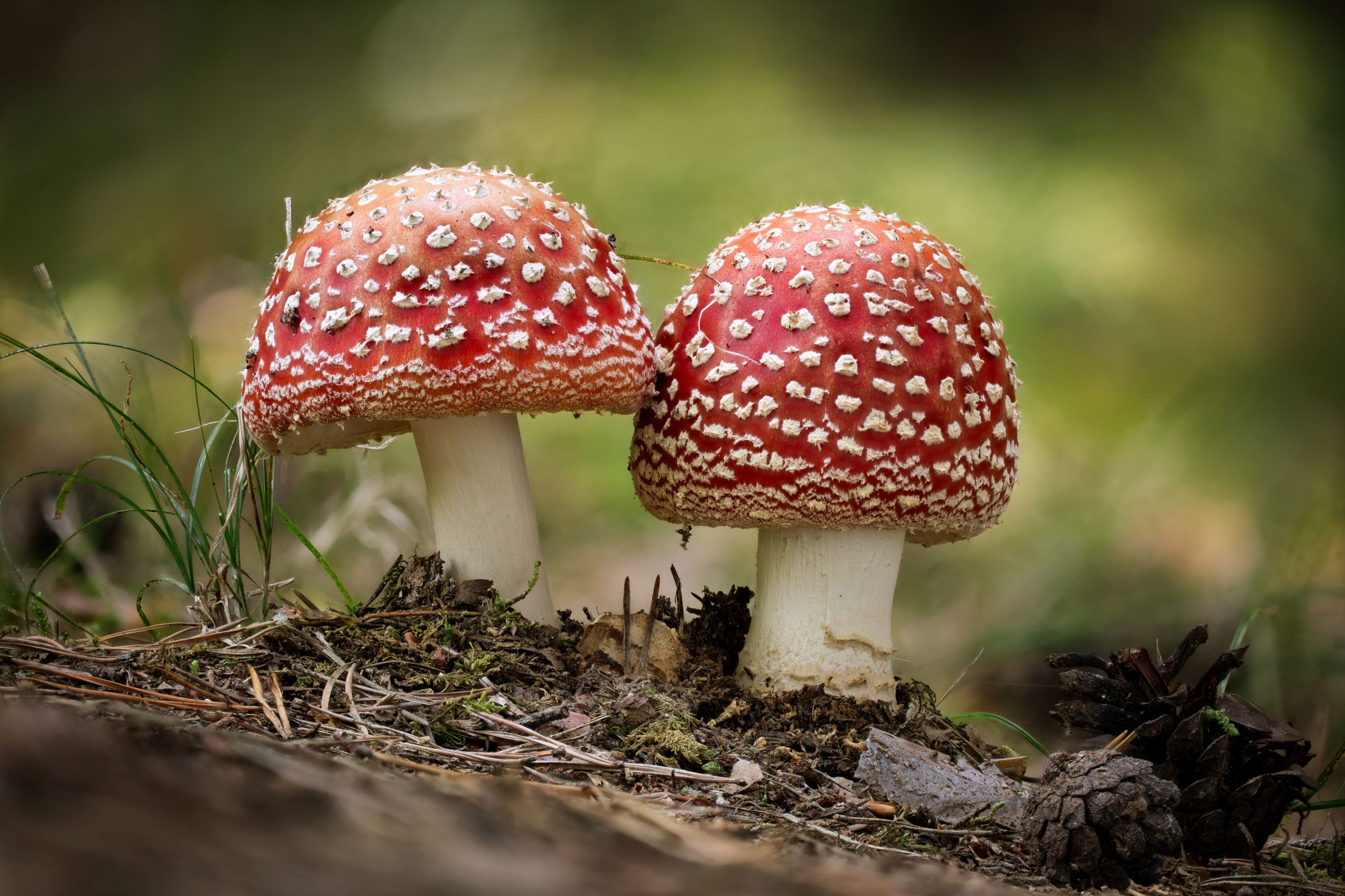
Amanita muscaria in the UK is an iconic and instantly recognisable sight. Known universally as the fly agaric mushroom, with its vibrant red cap and white speckles, it is a native fungi species deeply woven into the landscape and folklore of the United Kingdom. This remarkable mushroom captivates a wide audience, from foragers and mycologists to artists and storytellers, serving as a powerful symbol of British autumn woodlands.
The habitat of Amanita muscaria in the UK is predominantly in temperate, deciduous, and coniferous woodlands. It forms an essential mycorrhizal relationship with trees, particularly birch, pine, spruce, and sometimes oak. This symbiotic partnership is fundamental to the health of the UK’s forests; the fungal mycelium extends the tree’s root system, helping it absorb water and nutrients like phosphorus and nitrogen. In return, the tree supplies the Fly Agaric with sugars produced through photosynthesis. This interdependence makes finding Amanita muscaria a reliable indicator of a healthy, thriving woodland ecosystem across Britain.
The etymology of its common name is deeply practical. The term “fly agaric” originates from its historical use as a domestic insecticide, a practice recorded across Europe, including specifically in the UK. For centuries, people in Britain would break up the mushroom and place it in a saucer of milk. The lactones and ibotenic acid released would attract, intoxicate, and kill flies, effectively keeping kitchens and larders pest-free. This utilitarian use of Amanita muscaria in the UK cemented its place not only in gardens and homes but also in the regional folk knowledge passed down through generations.
Beyond its practical history, the cultural footprint of Amanita muscaria in the UK is immense. Its unmistakable appearance has made it a quintessential motif in British illustration, from classic children’s book art and Christmas cards to modern fantasy media. It is frequently associated with fairy tales, magic, and enchantment, often depicted as the quintessential toadstool in gnome and fairy gardens. For foragers and nature enthusiasts in the UK, the seasonal appearance of the Fly Agaric is a celebrated event, though it is approached with caution and respect due to its well-documented toxicity. It is a mushroom to be admired and photographed, not consumed.
In conclusion, Amanita muscaria in the UK is far more than just a colourful fungus. It is an integral part of the forest ecology, a subject of rich historical practices, and a enduring icon in national culture. Spotting the brilliant red cap of a Fly Agaric during a walk in a British woodland offers a direct link to the natural cycles of the ecosystem and the imaginative spirit of the United Kingdom’s heritage. Its presence continues to inspire wonder, reminding us of the deep connections between nature, history, and storytelling that are found across the UK landscape.
Folklore
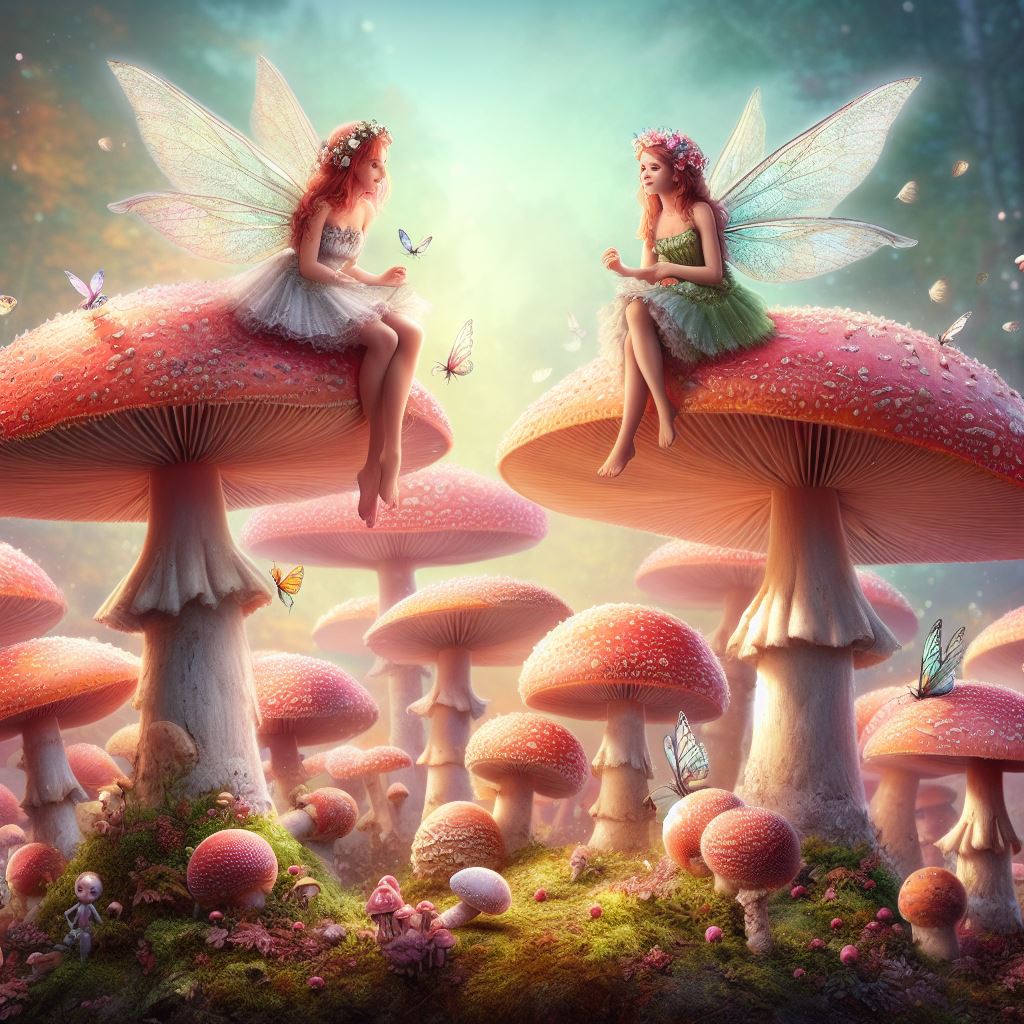
Fly agaric is often associated with fairy folklore in the UK. In some stories, it is believed that the vivid red caps with white speckles served as the stools or seats for fairies or pixies. These magical beings were said to use the mushroom as a resting place during their activities in the forest.
The presence of a ring of fly agaric mushrooms, known as a “fairy ring,” was believed to be evidence of the fairies. It was thought that these mushrooms served as seats for fairies during their gatherings. Folk tales cautioned against disrupting these circles, as it was believed to anger or displease the fairies.
According to some stories, the bright red and white fly agaric was not just a seat but a stage for the fairies to dance. The vivid caps of the mushrooms were seen as a perfect platform for the fairies’ performances during moonlit nights.
In some tales, fly agaric was considered a doorway or portal to the fairy realm. Sitting on a fly agaric was believed to transport a person into the land of the fairies, where time flowed differently. However, the unpredictability of such journeys was often emphasised in these stories.
The iconic imagery of Santa Claus, his red suit, and white trim has been suggested to have been influenced by the fly agaric’s appearance. Some theories propose that the association between Santa Claus and the fly agaric’s colours may have contributed to the modern image of Santa Claus.
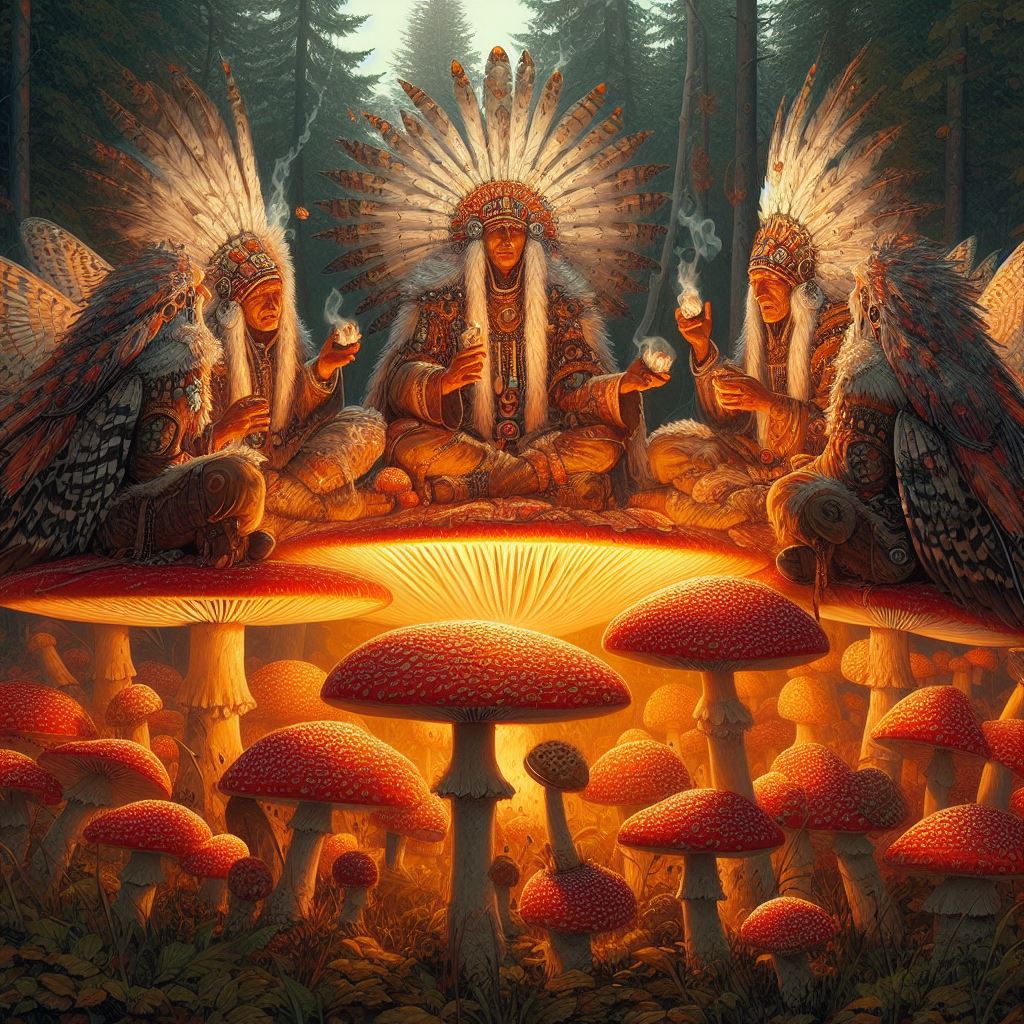
While not unique to the UK, the fly agaric has been used in shamanic practices and rituals in various cultures including those in the UK, and may have used it for such purposes.
Ethnobotanical Uses
While the mushroom’s toxicity is well-documented, some cultures have found ways to use it in a controlled manner. Traditional practices in Siberia, for instance, involve carefully drying the mushroom to reduce its toxicity and using it in shamanic ceremonies.
It’s important to stress that Amanita muscaria should never be consumed without expert knowledge, as its toxicity can be life-threatening. In the UK. It is illegal to sell Amanita muscaria for consumption. Checkout the legalities here